Skull Flower Embroidery: A Designer’s Review
As an embroidery designer who has spent years digitizing files for small businesses, I approach every new machine embroidery design with a critical eye. It is not just about whether the art looks good on a screen; it is about how it translates to fabric, how it holds up in the wash, and how it serves the brand identity of the client using it. Recently, I reviewed the Skull Flower Embroidery file, a digital asset positioned within the Halloween category but possessing a versatility that extends far beyond seasonal decor. For shop owners, apparel decorators, and handmade brands, understanding the practical application of this design is crucial before committing to production.
First Impressions and Visual Personality
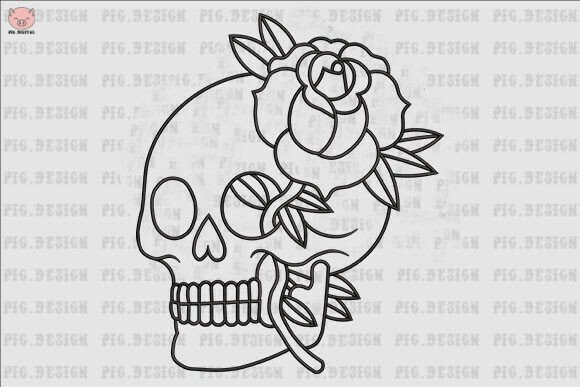
The first thing you notice about Skull Flower Embroidery is its balance between edgy and elegant. While the skull motif often leans toward the macabre or purely festive, the integration of floral elements softens the aesthetic, making it feel more like a modern tattoo style than a cheap holiday novelty. This duality is powerful for branding. It feels professional yet bold, rustic yet refined. For a boutique owner or a creative studio, this visual personality suggests a brand that is unafraid of standing out but still values craftsmanship.
The description promises a unique and professional touch, and visually, the design delivers on that premise. It does not look like a generic clip-art conversion. Instead, it appears thoughtfully structured for thread work. However, as designers, we know that appearance is only half the battle. The true test lies in the stitch execution and its adaptability across various merchandise types.
Real-World Business Applications
When evaluating a digital embroidery file for commercial use, I always ask: where does this live on a product? For Skull Flower Embroidery, the applications are surprisingly diverse for small business merch. Here is how I envision this design performing in a real-world retail environment:
- Embroidered Patches: This is perhaps the strongest use case. The design’s contained shape makes it ideal for die-cut or merrowed edge patches. These can be sold as standalone accessories or applied to denim jackets and canvas bags, adding significant perceived value to the finished product.
- Staff Uniforms and Aprons: Imagine a trendy coffee shop, a tattoo parlor, or a gothic-themed bakery. Embroidering this design on the chest pocket of a black apron creates an instant brand marker. It signals a specific vibe to customers before they even speak to staff.
- Cap Embroidery: Placed on the front panel of a dad hat or trucker cap, this design works well if scaled correctly. It offers a subtle nod to alternative fashion without being overwhelming, making it a strong seller for lifestyle brands.
- Tote Bag Design: Canvas totes are a staple for Etsy sellers and craft fairs. A large-scale version of this design centered on a tote bag transforms a simple utility item into a statement piece, enhancing the handmade product appeal.
For those creating custom apparel, this design serves as an excellent accent. It is not necessarily a full-back graphic but rather a strategic detail that elevates the garment. Whether used on sleeve cuffs, collar points, or as a hem tag replacement, it adds a layer of sophistication that plain text logos often lack.
Technical Considerations for Production
While the aesthetic is strong, technical execution requires careful attention. As a reviewer, I must highlight areas where Skull Flower Embroidery demands precision from the operator. The interplay between the rigid structure of the skull and the organic curves of the flowers means there are likely varying stitch directions. This can create tension issues if not managed properly.
Stitch density is a critical factor here. If the design is too dense, it may cause puckering on lightweight fabrics like t-shirts or silk blends. Conversely, if it is too sparse, the backing material might show through, especially on dark uniforms. I recommend testing this design on a scrap piece of your intended fabric before running a full production batch. Pay close attention to the transition points between the flower petals and the skull outlines.
Another consideration is the hoop size. Ensure that your machine’s hoop can accommodate the design dimensions without requiring excessive re-hooping, which can lead to misalignment. For smaller applications, such as a left-chest logo on a polo shirt, verify that the fine details remain visible. Tiny lettering or intricate petal edges can get lost if the design is scaled down too aggressively. Always check if the design works at small patch size before finalizing your product line.
Brand Identity and Customer Trust
Why does this matter for your bottom line? Because consistent, high-quality embroidery builds trust. When a customer receives a finished product with clean stitches and a cohesive design, they perceive the brand as professional and reliable. Skull Flower Embroidery contributes to this by offering a distinct visual anchor. It helps in creating recognition. If a local business uses this on their aprons, caps, and packaging accents, it creates a unified brand experience.
Moreover, in the age of social media, visual consistency drives engagement. A well-executed embroidered detail is highly shareable. It photographs better than printed graphics because of the texture and depth of the thread. This enhances your printable mockup presentations and real-life photos, making your design assets more appealing to potential buyers.
Practical Designer Notes
Before you purchase or begin stitching, keep these practical tips in mind to ensure success with Skull Flower Embroidery:
- Test in Black and White: Before selecting your final thread colors, stitch out the design in monochrome. This helps you evaluate the contrast and clarity of the shapes without the distraction of color.
- Check Thread Color Contrast: If stitching on dark fabrics, ensure your thread colors have enough brightness to stand out. Metallic threads could add a premium touch to the skull elements, but test for breakage first.
- Use Proper Stabilizer: Given the potential complexity of the floral details, a cut-away stabilizer is often safer than tear-away for garments that will be washed frequently. This prevents distortion over time.
- Inspect Spacing: Look closely at the spacing between the skull and the flowers. Ensure there is no unintended bridging or jumping that could cause thread nests.
- Confirm Commercial Licensing: The description mentions bringing creative projects to life, but always verify the specific license terms. Ensure you have the right to use this commercial embroidery file for physical goods you intend to sell.
- Create a Mockup: Use digital tools to place the design on your product templates. This helps clients visualize the final look and reduces approval time.
In conclusion, Skull Flower Embroidery is a versatile asset for the right brand. It bridges the gap between seasonal Halloween themes and year-round alternative fashion. For small business owners willing to invest in proper testing and high-quality materials, this design can become a signature element of their merchandise lineup. Just remember to respect the technical limits of your machine and fabric, and let the quality of your stitching speak for your brand.