Paper Plane Embroidery Design Review
As an embroidery designer who has spent years digitizing logos and testing files for commercial production, I approach every new machine embroidery design with a critical eye. It is not just about whether the image looks cute on a screen; it is about how that digital asset translates into thread, fabric, and ultimately, brand value. Recently, I reviewed the Paper Plane Embroidery Design File, a piece categorized under Toys and Embroidery, to determine its viability for small business merchandise. This review focuses on practical application for shop owners, apparel decorators, and handmade brands looking to elevate their product offerings.
First Impressions: Minimalism Meets Professionalism
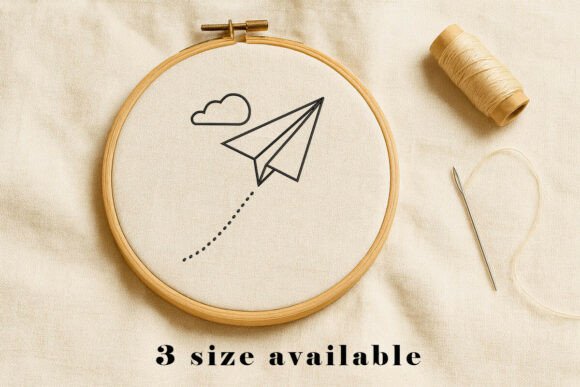
The first thing that strikes you about the Paper Plane Embroidery Design File is its clean aesthetic. The description highlights a flying paper plane with a cloud background, representing imagination and adventure. In the world of commercial embroidery, "clean" is often synonymous with "profitable." Complex, overly detailed designs can cause registration issues and increase production time. This design feels modern, playful, and friendly without sacrificing professional polish. It avoids the clutter that often plagues hobbyist files, making it a strong candidate for businesses that want to project a sense of creativity and freedom.
For a boutique, creative studio, or local café, this visual personality is ideal. It does not scream "toy store" despite its category; instead, it whispers "innovative brand." This versatility is crucial when you are building a cohesive brand identity across various touchpoints. The minimal lines suggest that the digitizer prioritized stitch flow, which is a good sign for production efficiency.
Real-World Business Applications
When evaluating a digital embroidery file for business use, I always ask: where can this live? The Paper Plane Embroidery Design File offers surprising flexibility. Here is how I envision it performing in real-world scenarios:
- Embroidered Patches: This is perhaps the strongest use case. A paper plane motif works beautifully as an iron-on or sew-on patch for tote bags, denim jackets, or laptop sleeves. It serves as a subtle mark of quality for handmade products.
- Staff Uniforms and Aprons: For a bakery, florist, or coffee shop, placing this design on the chest pocket of an apron adds a touch of whimsy. It breaks the monotony of solid-colored workwear and reinforces the brand’s creative ethos.
- Cap Embroidery: The streamlined shape of a paper plane fits well on the curved front panel of a baseball cap. It is small enough to remain legible but distinct enough to be recognized from a distance.
- Tote Bag Design: Canvas totes are a staple for Etsy sellers and retail shops. This design can serve as a central focal point or a corner accent, enhancing the perceived value of the bag as a premium accessory rather than just a utility item.
- Customer Gifts and Event Merch: Small businesses often need low-cost, high-impact items for loyalty programs. A handkerchief or small pouch featuring this design makes for a memorable customer gift that reinforces brand recognition.
Technical Considerations for Production
While the design is visually appealing, technical execution is where many projects fail. Before running this embroidery file on your machine, consider the following constraints. The inclusion of a cloud background suggests multiple colors and potential density changes. You must check the stitch density carefully. If the clouds are too dense, they may cause puckering on lightweight fabrics like cotton poplin or linen. Conversely, if the density is too low, the fabric might show through, ruining the crisp look of the plane.
Pay close attention to thread colors. The contrast between the plane and the clouds needs to be sharp. If you are embroidering on dark uniforms, ensure the design includes sufficient underlay stitches to prevent the garment color from bleeding through the lighter threads. Also, consider the hoop size required. While the design is minimal, the cloud elements might expand the footprint. Ensure your hoop can accommodate the full width without distorting the fabric edges.
Fabric texture plays a significant role here. On textured materials like terry cloth or heavy canvas, fine details in the cloud outlines might get lost. I recommend testing the Paper Plane Embroidery Design File on a scrap piece of your actual production fabric. Use the appropriate stabilizer—likely a cut-away for stretchy fabrics or a tear-away for stable wovens—to support the stitch structure during and after embroidery.
Enhancing Brand Identity and Trust
Why does this specific design matter for your bottom line? Consistency builds trust. When customers see the same high-quality embroidered logo on your website, your packaging, and your staff apparel, it signals professionalism. The Paper Plane Embroidery Design File helps achieve this visual consistency. It is versatile enough to work on various custom apparel items while maintaining its core identity.
For handmade brands, adding an embroidered element elevates a simple product into a handmade product with artisanal value. A plain tote bag becomes a branded statement piece. A standard cap becomes a collectible item. This perceived value allows for higher price points and better customer engagement. Furthermore, using a well-digitized file reduces the risk of reworks and wasted materials, directly impacting your profit margins in commercial embroidery projects.
Designer Notes and Best Practices
Before integrating this design into your inventory, follow these practical steps:
- Test in Black and White: Run a test stitch-out using only one thread color. This helps you evaluate the shape and spacing without the distraction of color matching. If the silhouette reads clearly in monochrome, it will work in color.
- Check Small Patch Sizes: Scale the design down to the smallest size you intend to sell. Ensure the details do not merge or become indistinguishable. Tiny lettering or thin lines can break easily if scaled too small.
- Create a Printable Mockup: Use the design file to create a printable mockup for client approval. This saves time and ensures the client understands the final look before you commit to production.
- Verify Commercial Licensing: Always confirm the license terms included with the design assets. Ensure you have the right to use the file for selling finished goods, especially if you are producing items for third-party clients.
- Review File Details: Since the provided description does not specify exact stitch counts or formats, check the download package thoroughly. Confirm compatibility with your machine’s software and verify the recommended hoop dimensions.
In conclusion, the Paper Plane Embroidery Design File is a versatile asset for small business owners. It balances playful imagery with professional execution, making it suitable for a wide range of applications from patches to uniforms. By paying attention to technical details like stabilizer choice and stitch density, you can leverage this design to enhance your brand identity and create high-quality, memorable merchandise.